Seasonal Flea and Tick Control Strategies
Seasonal flea and tick control strategies help protect your home and pets, with local service providers offering effective treatments tailored to each season.
If you own property in the area, understanding seasonal flea and tick control strategies can be essential for maintaining a safe and comfortable outdoor space. As these pests become more active during certain times of the year, property owners often seek practical solutions to prevent infestations before they start. Exploring effective methods can help reduce the risk of bites and the spread of disease, making outdoor environments more enjoyable for families, pets, and visitors alike. Local service providers specializing in flea and tick control can offer tailored approaches to fit specific property needs, ensuring that proactive measures are in place when pests are most active.
Keeping up with seasonal control strategies is a smart way to protect your property year-round. Many local contractors provide services designed to target fleas and ticks during peak seasons, helping property owners stay ahead of potential problems. Whether through treatments, landscape management, or advice on maintenance practices, these professionals can assist in creating a pest-free outdoor environment. Continuing to read can provide valuable insights into how seasonal strategies work and how local experts can support efforts to keep pests at bay, ensuring a healthier, more enjoyable outdoor space.
- Seasonal flea and tick control strategies are essential for homeowners experiencing increased pest activity during peak seasons, and local service providers tailor treatments to align with local climate patterns. Flea and tick prevention services are often needed when pests become active in spring and summer, with local contractors implementing targeted applications to protect outdoor and indoor spaces. Tick control services are recommended for properties in areas with high tick populations, and local pros develop customized plans to reduce risk during seasonal peaks. Flea control treatments are crucial when infestations are detected or anticipated, with local providers applying effective solutions to prevent recurring issues. Seasonal pest management strategies involve coordinating pest control efforts with local pros to ensure continuous protection throughout vulnerable times of the year.
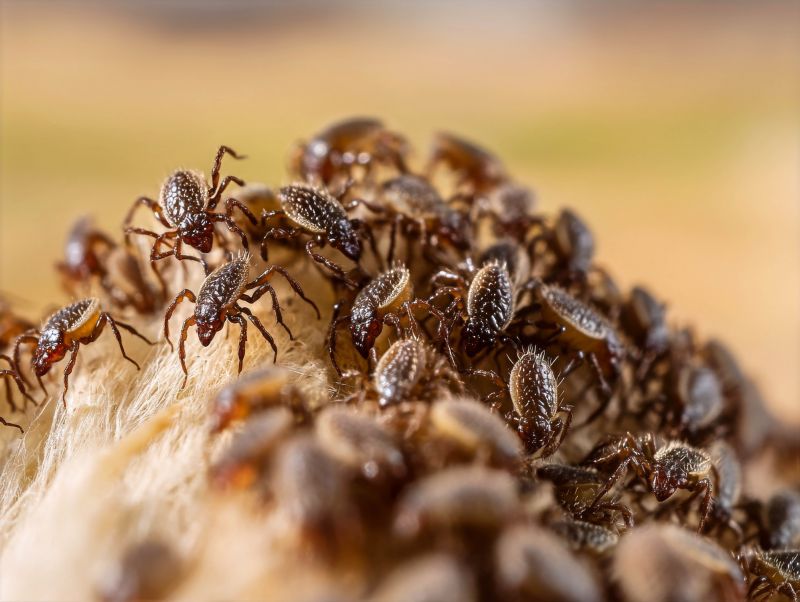
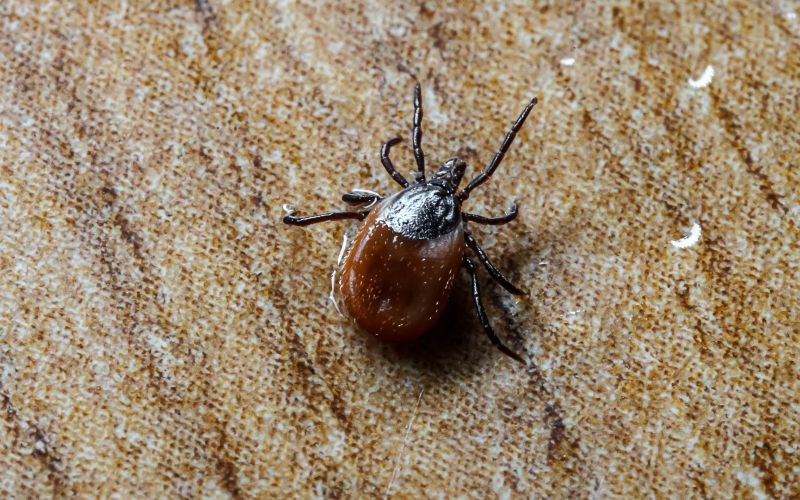
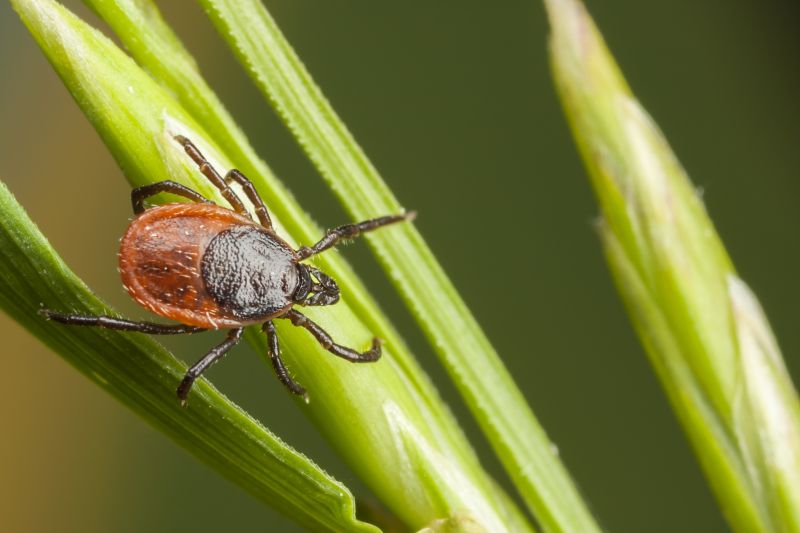
Seasonal flea and tick control strategies are often sought by homeowners who want to protect their properties from these pests during peak times of the year. When people search for this topic, they typically mean ways to prevent or reduce flea and tick populations in their yards and outdoor spaces as the seasons change. These strategies may include a combination of treatments, environmental modifications, and ongoing maintenance to keep pests at bay. Homeowners are usually interested in understanding how to prepare their properties for flea and tick season, especially in warmer months when these pests become most active.
The problems linked to seasonal flea and tick control revolve around the health and comfort of residents and pets, as well as the overall condition of outdoor areas. Fleas and ticks can carry diseases, cause allergic reactions, and lead to infestations that are difficult to eradicate once established. Many property owners plan to implement preventative measures before pests become a problem, often seeking professional assistance to develop effective seasonal control plans. These plans typically involve targeted treatments, landscape adjustments, and ongoing monitoring to ensure pests do not return or spread further.
Properties that commonly come up in discussions about seasonal flea and tick control include residential yards, gardens, and outdoor living spaces such as patios or decks. Larger properties like farms, ranches, or properties with extensive landscaping may also be involved, especially if they host pets or livestock. These areas often have shaded, grassy, or wooded zones that provide ideal habitats for fleas and ticks, making regular control strategies essential. Homeowners with children or pets are particularly attentive to seasonal control plans, as they want to create safe outdoor environments free from pest concerns.
Understanding how seasonal flea and tick control strategies connect to real projects helps homeowners see the value of professional services. Local service providers can assess outdoor spaces, recommend tailored treatment schedules, and apply targeted solutions to reduce pest populations effectively. These professionals often combine environmental management with pest control products to create a comprehensive plan suited to the specific property and local pest activity. Connecting with experienced contractors allows homeowners to implement proactive measures that minimize pest issues during peak seasons, ensuring outdoor spaces remain safe and comfortable throughout the year.
Lawn and Garden Pest Management - Professionals in this area utilize pest control techniques that are similar to flea and tick strategies, focusing on targeted treatments and seasonal planning to protect outdoor spaces.
Animal Shelter Pest Control - This project involves managing pests that affect animals, requiring knowledge of pest behavior and effective application methods that align with flea and tick control approaches.
Wildlife Exclusion Projects - These projects involve preventing pests from entering homes or yards, paralleling flea and tick prevention by focusing on barrier methods and seasonal adjustments.
Mosquito Control Services - Similar to flea and tick control, mosquito management relies on seasonal treatments and habitat reduction to minimize pest populations around residential areas.
Yard Hygiene and Debris Removal - This type of project emphasizes maintaining outdoor environments to reduce pest habitats, supporting seasonal pest control efforts against fleas and ticks.
Rodent Prevention Programs - These initiatives involve planning and implementing seasonal strategies to eliminate rodent habitats, which share techniques with flea and tick control planning and execution.
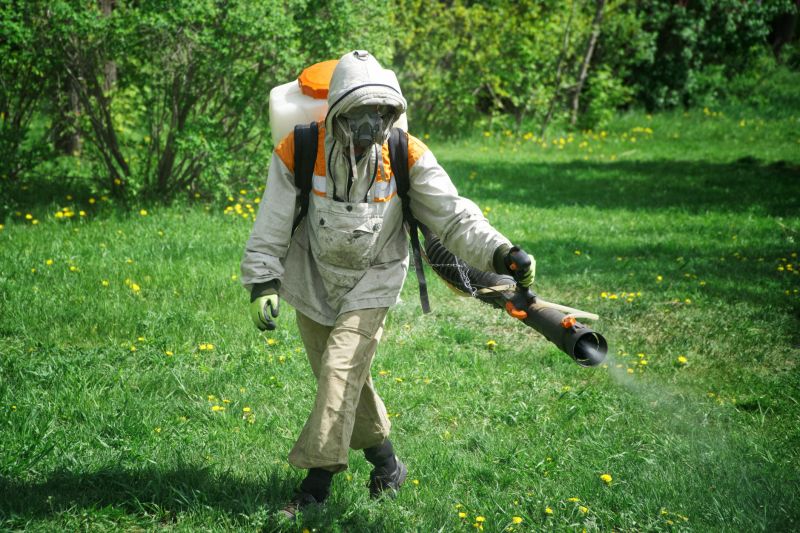
When evaluating local contractors for seasonal flea and tick control strategies, experience with similar projects can be a valuable factor. Homeowners should seek service providers who have a track record of handling pest control efforts in environments comparable to their own, whether that involves large yards, landscaped gardens, or specific property layouts. An experienced contractor is more likely to understand the nuances of effective flea and tick management during different seasons and can tailor their approach accordingly, helping to ensure the strategy is both effective and appropriate for the specific setting.
Clear, written expectations are essential when comparing service providers for flea and tick control. Homeowners should request detailed descriptions of the services offered, including the scope of work, types of treatments used, and any follow-up procedures. Having this information in writing helps prevent misunderstandings and provides a basis for assessing whether a contractor’s approach aligns with the homeowner’s needs. It also allows for a straightforward comparison between different local contractors, making it easier to identify which service provider can deliver the level of clarity and transparency desired.
Reputable references and effective communication are key indicators of a dependable service provider. Homeowners can ask for recommendations or reviews from previous clients who have had similar flea and tick control treatments. Additionally, a contractor who communicates clearly and promptly can better address questions or concerns throughout the process. Good communication ensures that homeowners stay informed about treatment options, scheduling, and any necessary follow-up, which can contribute to a smoother experience and a more successful seasonal flea and tick control strategy.
Property owners often search for seasonal flea and tick control strategies when they are planning practical projects around their homes and businesses. Local pros provide Flea and Tick Control services for everyday jobs and straightforward project options.
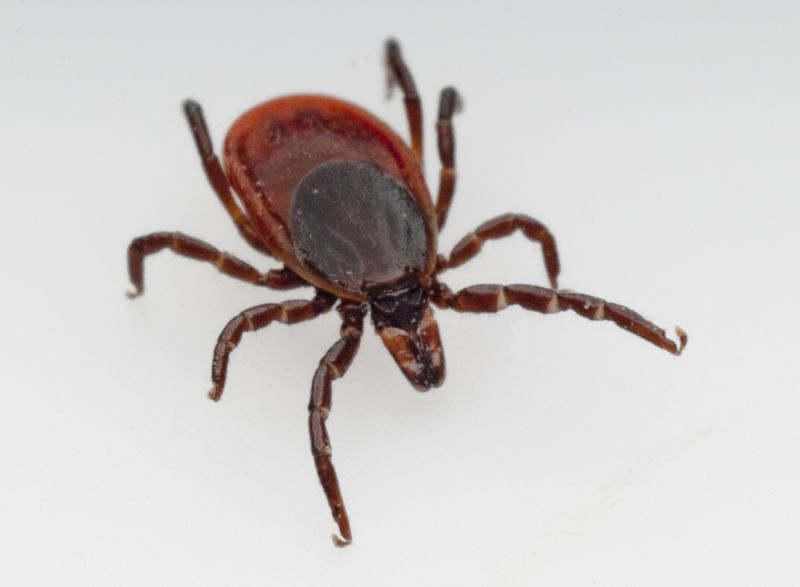

During warmer months, property owners often seek out seasonal flea and tick control strategies to protect their yards and outdoor spaces. These pests tend to become more active as temperatures rise, making it important for homeowners to stay proactive in managing their presence. Many choose to explore services offered by local contractors who specialize in pest prevention, as professional treatments can help create a barrier against fleas and ticks, reducing the risk of bites and infestations.
Property owners may also look into seasonal flea and tick control strategies to safeguard pets and family members from potential health concerns. Local service providers can assess outdoor environments and recommend targeted treatments that align with seasonal pest activity. Connecting with experienced contractors ensures that the appropriate measures are taken at the right times, helping to maintain a pest-free yard throughout the active seasons.
What are effective seasonal flea and tick control strategies? Local service providers often recommend a combination of environmental treatments, regular yard maintenance, and targeted application of flea and tick preventatives to effectively manage seasonal infestations.
How can I prepare my property for seasonal flea and tick control? Service providers suggest removing debris, trimming grass, and treating shaded areas to reduce flea and tick habitats, making the environment less attractive for pests during peak seasons.
Are there specific times of year when flea and tick control is most important? Most local contractors advise focusing on flea and tick control during warmer months when these pests are most active, though preventive measures may be recommended year-round in some regions.
What types of treatments do local pros use for seasonal flea and tick control? Professionals typically utilize a mix of outdoor sprays, barrier treatments, and possibly topical or oral preventatives for pets to ensure comprehensive seasonal control strategies.
How do seasonal control strategies help prevent flea and tick re-infestation? Implementing seasonal strategies reduces pest populations and disrupts their life cycles, helping to prevent re-infestation and protect pets and humans from bites and disease transmission.
Seasonal Inspection and Treatment - property owners can schedule regular inspections with local contractors to identify flea and tick activity during peak seasons.
Yard Maintenance and Landscaping - implementing proper yard cleanup and landscaping practices can reduce flea and tick habitats with the help of local service providers.
Barrier and Perimeter Treatments - applying targeted barrier treatments around the property perimeter can help prevent fleas and ticks from entering, with assistance from local pros.
Preventive Pest Control Plans - setting up ongoing pest control plans tailored to seasonal changes can keep fleas and ticks at bay with support from local contractors.
If you are thinking about seasonal flea and tick control strategies for a property, this guide is meant to help you understand this topic, the typical project types, and how different options might fit your plans.
When you are ready, you can use the quote form on this page to share a few details about your project. From there, local pros can review the basics and follow up with options that match what you have in mind.